Shop Like a Detective: A Field Guide to Secondhand That Actually Works
Photo: PattayaPatrol, CC BY-SA 4.0, via Wikimedia Commons
Secondhand shopping in America has gone from back-alley secret to mainstream movement. Resale is one of the fastest-growing corners of the retail economy, thrift stores from Portland to Pittsburgh are packed on Saturdays, and vintage has gone from novelty to legitimate style language. But here's the thing nobody tells you: most people thrifting blind come home with three impulse buys and nothing they actually wear.
The difference between a great secondhand wardrobe and a pile of someone else's mistakes isn't luck. It's method. Here's how to shop like you know what you're doing.
Start With Fabric, Not Size
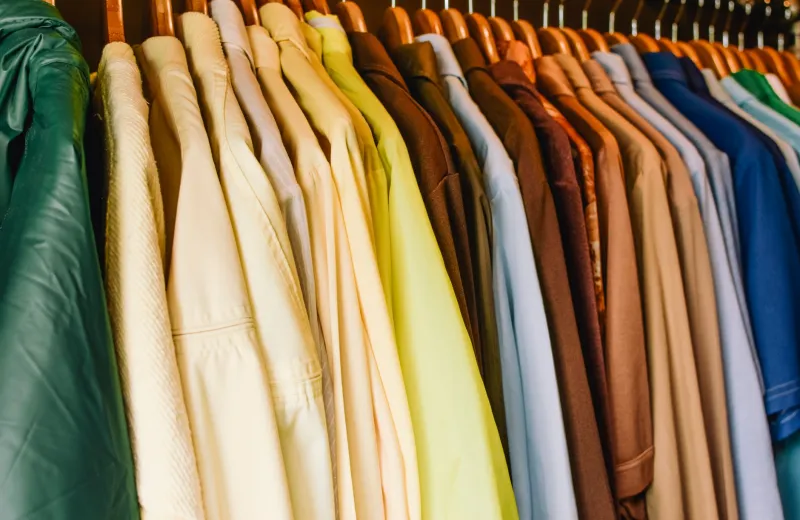
Touch everything. Before you even look at the tag, run the fabric between your fingers. You're hunting for natural fibers — wool, cotton, linen, silk, cashmere — because they age better, breathe better, and signal a garment built to last. Check the content tag when you find it: a 100% wool blazer for $18 is the kind of find that makes secondhand shopping worth the effort.
Then do the squeeze test. Crush a handful of fabric and let go. Quality wool and cotton spring back. Fabric that stays wrinkled or feels thin and papery will look tired after three washes.
Read the Construction Like a Receipt
Once a piece passes the fabric test, flip it inside out. The inside tells the truth.
- Seams: Look for straight, tight stitching with no puckering. Give a seam a gentle tug — if you can see daylight between stitches, walk away.
- Pattern matching: On patterned shirts and jackets, checks and stripes should line up at the seams. It's a small detail that separates careful manufacturing from rushed production.
- Buttons and buttonholes: Buttons should be sewn with shanks (a little stem underneath), and buttonholes should be finished, not just slit.
- Lining and hems: A lined garment with hand-finished hems was made by people who cared. A glued, crooked hem was not.
If the inside is clean, the outside will hold up. If the inside is a mess, no price makes it a deal.
Hunt With a List, Not a Vibe
The biggest mistake in thrift shopping is wandering. Walk in with a short, specific list — a wool overcoat, a white oxford shirt, a leather belt. Specificity keeps you from buying the weird neon windbreaker just because it was $6.
Go through the racks by fabric type if the store allows it — you'll find the wool and silk faster, and those sections self-select for quality. And check the men's section even if you don't shop it; oversized men's shirting is one of the best-kept secrets in secondhand for everyone.
Know Your Non-Negotiables
Some things are fixable, some aren't. Stains near the hem? Maybe. Missing buttons? Trivial. But stains under the arms, odors that don't wash out, stretched-out collars, and moth holes in wool are usually permanent. Inspect the high-friction zones — elbows, cuffs, crotch, knees — because that's where a garment's true age shows.
And always try things on. Vintage sizing runs completely different from modern sizing, so ignore the number on the tag and let the mirror weigh in.
Build a Wardrobe With a Past
Here's what a secondhand piece offers that no fast-fashion haul can: provenance. A 1980s wool coat that survived four decades is evidence of quality in a way no marketing copy can fake. Wearing it means something — it's a garment with a story you're continuing, not a trend you're renting.
Shop slowly. Buy rarely. Inspect everything. The best secondhand wardrobes aren't built in one lucky Saturday — they're assembled over years, one great find at a time, by people patient enough to look.