Your Tailor Is the Best Stylist You'll Ever Hire
Here's a statistic that should stop you mid-scroll: the majority of Americans have never had a single piece of clothing altered. Not a hem, not a sleeve, not a pinch at the waist. We buy off the rack, we wear it as-is, and when it doesn't quite fit, we blame ourselves — or worse, we hide the garment in the back of the closet and move on.
Meanwhile, anyone who looks effortlessly put-together — the guy at the coffee shop whose blazer sits exactly right, the woman whose trousers break perfectly at the ankle — almost certainly knows a tailor. That's the secret. Not money. Not genetics. A person with a measuring tape and a sewing machine who charges less than your last impulse purchase.
Off-the-Rack Is a Starting Point, Not a Finished Product
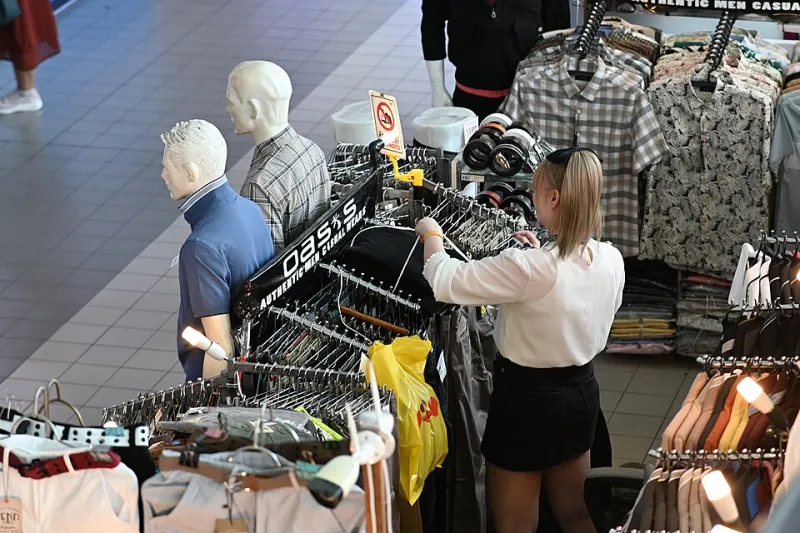
Clothing is manufactured for an imaginary average human who doesn't exist. Brands grade patterns up and down from a sample size, which means if you're not built exactly like the fit model, you're wearing a compromise. Shoulders that gap. Waists that bag. Sleeves that swallow your hands.
The ready-to-wear industry solved for scale, not for you. A tailor closes that gap. A $60 alteration on a $200 blazer can make it look like a $600 garment — because fit is the thing people's eyes actually register, long before they notice fabric or brand.
What's Worth Taking In (and What to Leave Alone)
Not every alteration is created equal. Some fixes are cheap and transformative. Others cost more than the garment and still won't work. Here's the honest breakdown.
Almost always worth it:
- Hemming trousers and jeans. Usually $15–$25. The single highest-impact fix in menswear and womenswear. If your pants pool at your shoes, this is where you start.
- Tapering a shirt body. A dress shirt that billows at the waist reads sloppy even with a jacket over it. $15–$30 to fix.
- Taking in a waistband. If the hips and seat fit, a waistband adjustment runs $20–$40 and can rescue pants you'd otherwise donate.
- Shortening sleeves and blazer sleeves. Sleeves should show a half-inch of shirt cuff. Blazer sleeve work runs $30–$60 depending on buttonholes (functional ones cost more — ask before you buy).
Sometimes worth it:
- Tapering trouser legs. Great if the seat and thigh fit; the tailor is just refining the silhouette.
- Replacing zippers and linings. Often worth it on quality garments, pointless on fast fashion.
Generally not worth it:
- Reshaping shoulders. Shoulder work is major surgery. If the shoulders don't fit, walk away — no alteration saves a garment that's wrong at the shoulder.
- Making things dramatically bigger. There's only so much seam allowance in a garment. Letting something out more than an inch or two is a gamble.
- Altering anything from the bargain bin. If the piece cost $22, a $40 fix makes no mathematical sense.
Finding Your Person
Every city has them, from dedicated tailoring shops to the dry cleaner with a seamstress in back. Ask around — barbers, coworkers, and well-dressed friends all know someone. Read reviews, but more importantly, bring one simple job first: a hem or a taper. See how you're treated, how the garment comes back, whether they ask about how you like your pants to break.
A good tailor will tell you when something isn't worth altering. That honesty is worth more than the alteration itself.
Do the Math
Think about the last five garments you bought and barely wore. Odds are most of them failed on fit. A $25 alteration is cheaper than a $90 replacement, and the fixed piece is one you already like.
Stop treating your clothes as finished products. They're raw material. The rack gets you close; the tailor gets you home.